











3 min read
Consolidation in fiber network operations demands robust OSS/BSS platforms, strategic planning, and effective project management to ensure seamless transitions and operational efficiency.
 Netadmin Content Creator
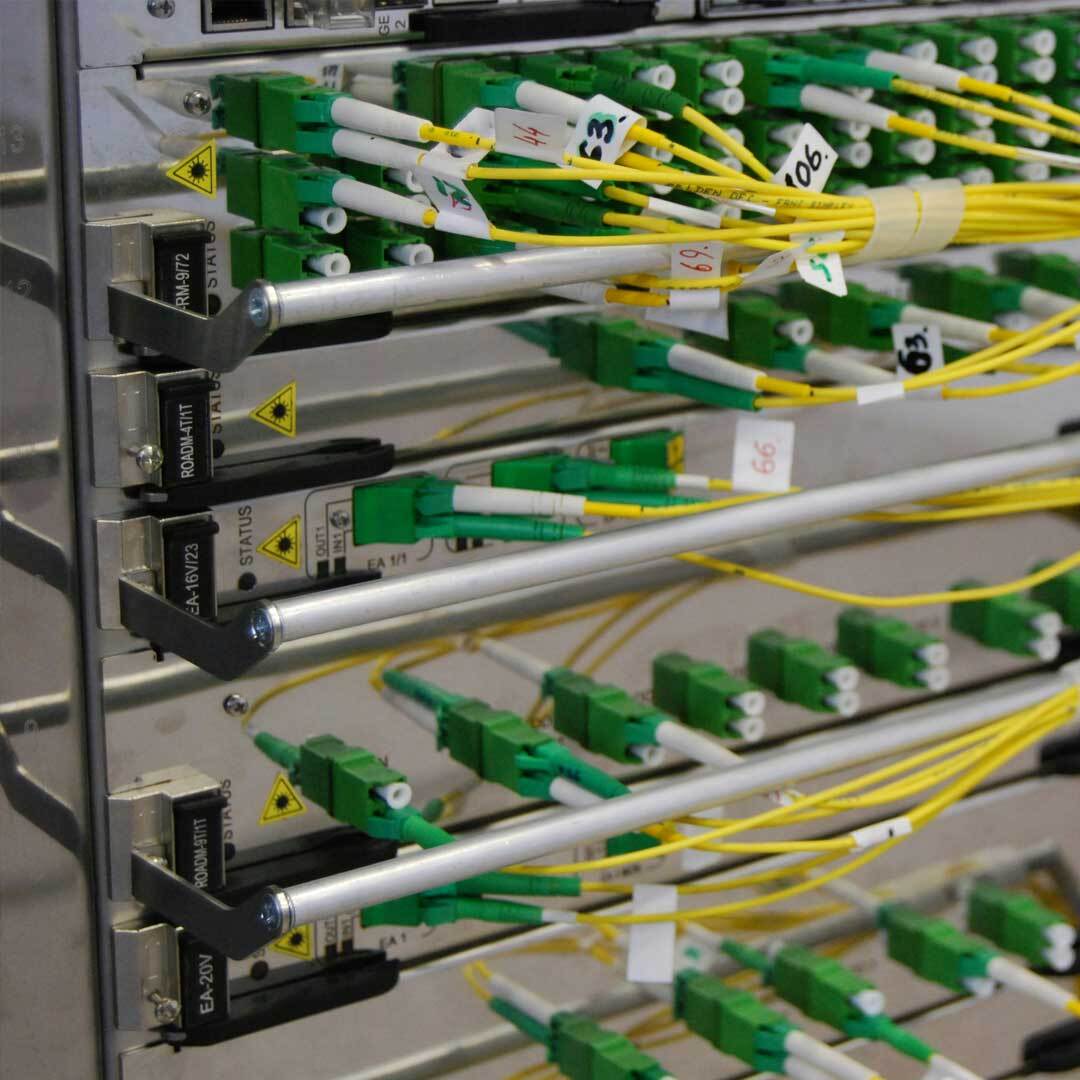
Consolidation is reshaping telecommunications markets across Europe and beyond. As fiber network operators merge, acquire competitors, or integrate multiple networks under unified management, the complexity of these transitions places extraordinary demands on their operational support systems.
The challenge is clear: how do you bring together disparate networks, diverse technology stacks, and different organizational cultures while maintaining service quality and operational efficiency? The answer lies in choosing the right OSS/BSS platform and executing a well-planned consolidation strategy.
What consolidation demands from your OSS/BSS
Successful consolidation starts with asking the right questions before you begin:
Assess your starting point. How much of your current operation is manual versus system-supported? What is the maturity level of the networks you're consolidating? Some operators run sophisticated automated systems, while others still rely heavily on Excel and manual processes.
Identify critical processes. Which systems and workflows must function flawlessly throughout the transition? Billing is typically non-negotiable, but you'll need to map all mission-critical functions and plan accordingly.
Plan for failure. What happens if something goes wrong? Fallback processes and the ability to run legacy and target systems in parallel aren't optional—they're essential.
Core platform requirements
Your target platform must deliver across multiple dimensions:
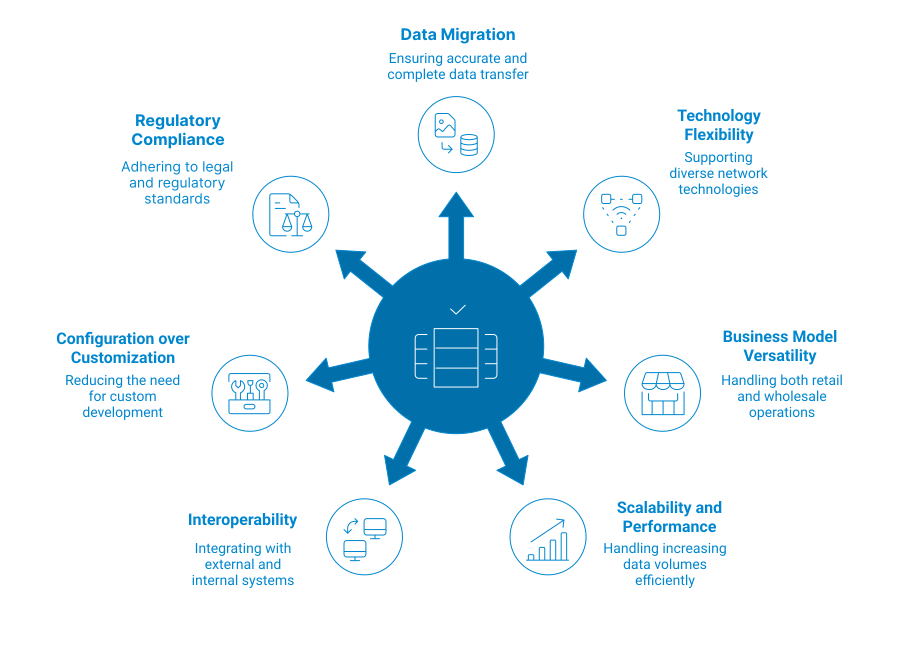
Data migration and quality. Robust import and validation tools are critical. Poor data quality is the most common problem in acquisitions, often resulting from years of undocumented changes and knowledge trapped in employees' heads.
Technology flexibility. The platform must support diverse network technologies—GPON, Active Ethernet, DOCSIS, DSL—while abstracting technical complexity from business processes. Multi-tenancy capabilities allow you to virtually separate networks during transition phases.
Business model versatility. Support for both retail and wholesale operations is essential. Most consolidations involve a mix, and your platform must handle the complexity of wholesale API integration, self-service portals, and standardized order management.
Scalability and performance. Data volumes increase rapidly during consolidation. Your platform must scale quickly and identify bottlenecks before they impact operations.
Interoperability. Standard APIs—TM Forum Open APIs, national wholesale standards, modern REST interfaces—enable integration with external parties and internal systems.
Configuration over customization. Look for platforms that offer extensive configuration options to reduce the need for custom development. When customization is unavoidable, ensure it can be maintained long-term. The best vendors can sometimes convert customer-specific customizations into standard product features.
Regulatory compliance. GDPR, data portability, customer consent management, and harmonized regulatory reporting must be built into the platform, not bolted on afterward.
The human dimension
Technology alone doesn't guarantee success. People make or break consolidation projects.
Feature parity drives acceptance. Employees who must abandon familiar systems need assurance that the target platform is at least as capable. This reduces resistance and accelerates adoption.
Manage expectations honestly. Everyone will need to change and give up something. But consolidation also creates a golden opportunity to fix longstanding frustrations and build a forward-looking operation where people feel engaged and optimistic about the future.
Communicate proactively. Customers, service providers, and employees all need early, transparent communication about what's changing and how it affects them. In wholesale models, external parties may have critical requirements you need time to address.
Invest in dedicated resources. Migration takes time away from regular operations. Bringing in additional resources focused exclusively on the transition prevents the project from dragging on indefinitely.
Structure training programs. Continuous training is essential—for both the new platform and legacy systems that must be maintained during the transition.
Risk management is non-negotiable
Consolidation is complex, and many things can go wrong. Structured risk management must include:
-
Early identification of technical bottlenecks, data quality issues, and organizational challenges, with clear mitigation plans for each risk
-
Backup and rollback capabilities to quickly restore service if critical problems emerge
-
Parallel operation of old and new systems to validate functionality before cutting over
-
Clear escalation paths and communication channels to maintain SLA compliance throughout the transition
The business case
Before you begin, establish a clear picture of total cost of ownership—not just migration costs, but parallel operations, licenses, professional services, and training. A well-planned consolidation should demonstrate clear ROI through reduced operating costs, more efficient processes, and better scalability. License models must be transparent and predictable so future acquisitions don't trigger unexpected costs.
What makes consolidations succeed
Learning from operators who have successfully navigated multiple consolidations, several factors consistently drive success:
-
Inspiring leadership: Project managers and executives who can energize teams and clear obstacles
-
Deep industry experience: Teams with 10-20 years in the field bring invaluable pattern recognition and problem-solving capability
-
Clear priorities: Explicit decisions about time, quality, and cost create structure that keeps projects on track
-
Ruthless prioritization: Many requirements will emerge during consolidation. The ability to sort through them and prioritize harshly is essential
Conclusion
Network consolidation is both a technical and organizational transformation. Success requires a platform purpose-built for the complexity of modern fiber operations, combined with disciplined project management and genuine attention to the people experiencing the change.
Netadmin brings extensive experience helping operators through mergers, acquisitions, and multi-network consolidations. For customers who frequently acquire smaller networks, the process has become standardized and routine. For those undertaking consolidation for the first time, we provide the expertise and support to navigate the complexity successfully.
With a proven track record across numerous successful consolidations, Netadmin Nine serves as the centralized OSS/BSS platform for group-wide fiber network operations—delivering the scalability, flexibility, and comprehensive functionality that consolidation demands.
Related links
We help you scale up your business.
 For more information, please contact
Johan Hjalmarsson, Product Marketing Manager, Netadmin Systems.
Email: johan.hjalmarsson@netadminsystems.com